SETTLE THE DISCUSSION - HUMAN RIGHTS ARE ENOYED BY THE LIVING
In the most recent, I have interacted with a number of people across Northern, Western and Central Uganda and one of the areas of interest during the overview of the concept of human rights and underlying principles was the question of whether the dead have rights. At least over fifty percent of the people in each forum raised their hand in the affirmative that yes, the dead have rights. I would then resolve that in reality, it is the living who have rights, the dead only have respects. The discussion ensues.
Human rights are defined as natural
entitlements that accrue or belong to everyone by reason of being human. They
are inherent meaning that each of us is born with them; inalienable that is to
say no one can take away from us as long as we live. They are universal meaning
that they apply to everyone, everywhere and every time. They are
interdependent, inseparable, and indivisible and enjoyed on the basis of
nondiscrimination. Human rights are categorized into first generation or civil
and political; second generation or economic, social and cultural and third
generation which are group, solidarity or collective rights.
Once we have defined human rights
and seen the principles or standards and categories, what remains is to
highlight some examples of these rights. We must think about where we find
these rights lest we risk mentioning what we assume are rights yet they could
be personal thoughts or desires. As such, documentation of universally
recognised human rights begins way back but the time we usually refer to is
December 10, 1948 when the United Nations General Assembly adopted the Universal
Declaration of Human Rights enshrining rights and freedoms of all human beings.
In 1995, Uganda adopted its Constitution on December 8, 1995 with assignment of
an entire Chapter Four to human rights and other fundamental freedoms of
citizens. In principle, the Chapter is a replica of the Universal Declaration
of Human Rights.
As such, every one of us has the
rights to: equality from discrimination; life; personal liberty; freedom from
torture, inhuman, degrading treatment or punishment; freedom from slavery,
servitude or forced labor; property; personal liberty; fair hearing; freedom of
speech and expression; education; marry and found a family, among others. Accordingly,
it's only the living who enjoy rights because they have life, personal liberty,
can move, have and own property, feel severe pain when tortured or can marry
and found families. The dead cannot.
Uganda’s Penal Code Act Cap.120,
section 120 creates the offence of trespassing on burial places and under
section 121, anyone who hinders burial of a dead body commits a misdemeanor which
under section 22 is punishable with imprisonment for a period not exceeding two
years. Some of these laws help us to strengthen respect for the dead.
Ultimate, we must value one another
while we still live. We are called upon to respect, promote, protect and uphold
each other's rights and fundamental freedoms and safeguard them with all it
takes remembering that under Article 43 of the Constitution, rights can be
limited in public interest and in a manner is demonstrably justifiable in a
free and Democratic society. This means that rights come with responsibilities
to the effect that as we seek to enjoy our rights, we must be careful not to infringe
on the rights of our neighbors or people in our circles. At the end of it all,
we are born with rights that we must enjoy only in life, never in death. Let us
live right.
Robert
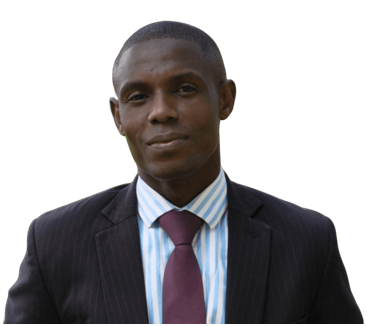
Mugisa is a Huuman Rights Lawyer and Defender/Advocate


Comments
Post a Comment